

Last week’s Consero Corporate Litigation & Investigations Forum in Litchfield, AZ, brought together legal leaders from mid-sized companies to global enterprises for a focused, highly interactive exchange on the evolving litigation landscape. Panel discussions covered a lot of ground from litigation cost control and data governance to the challenges facing public and private entities. There were also a large number of conversations around the growing influence of emerging technologies on legal workflows.
In-House Teams are Stepping Up
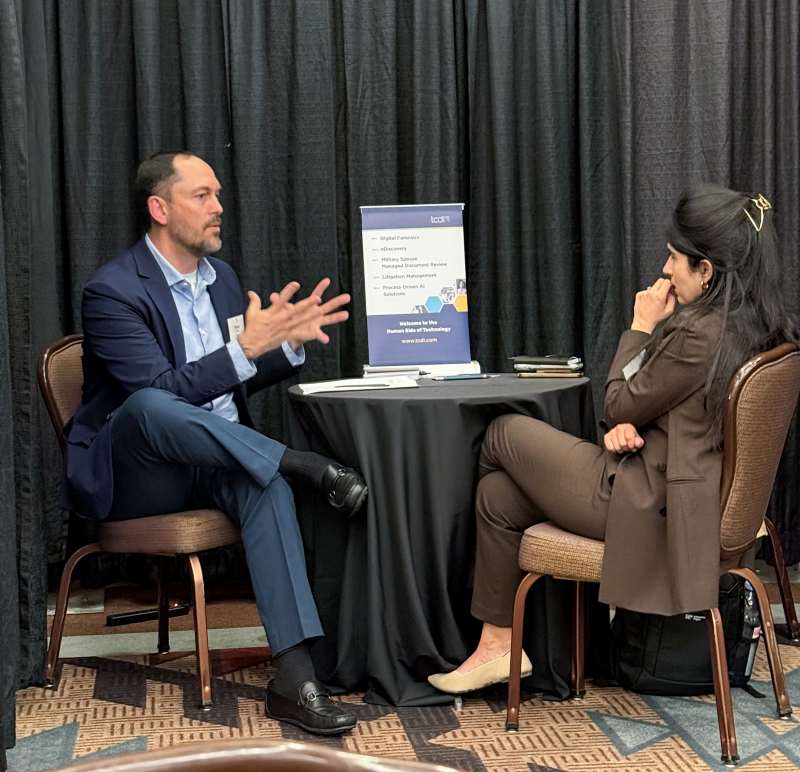
A consistent thread I noticed throughout the forum was the shift toward greater ownership and operational maturity within in-house legal teams. In many sessions, I found parallels to the discussions we’ve been having during our LitForward Legal AI Roundtable sessions across the country.
For example, discussions emphasized standardizing processes, improving coordination with IT and cybersecurity teams, and rethinking relationships with outside counsel and service providers. The tone was pragmatic, with less theory and more real-world applications of how teams are actually adapting.
This was a refreshing change from events last year, highlight a shift from companies being wary of business partners’ use of AI to mandating it to maximize cost-effectiveness.
AI in Practice and the Evolving Role of Junior Attorneys
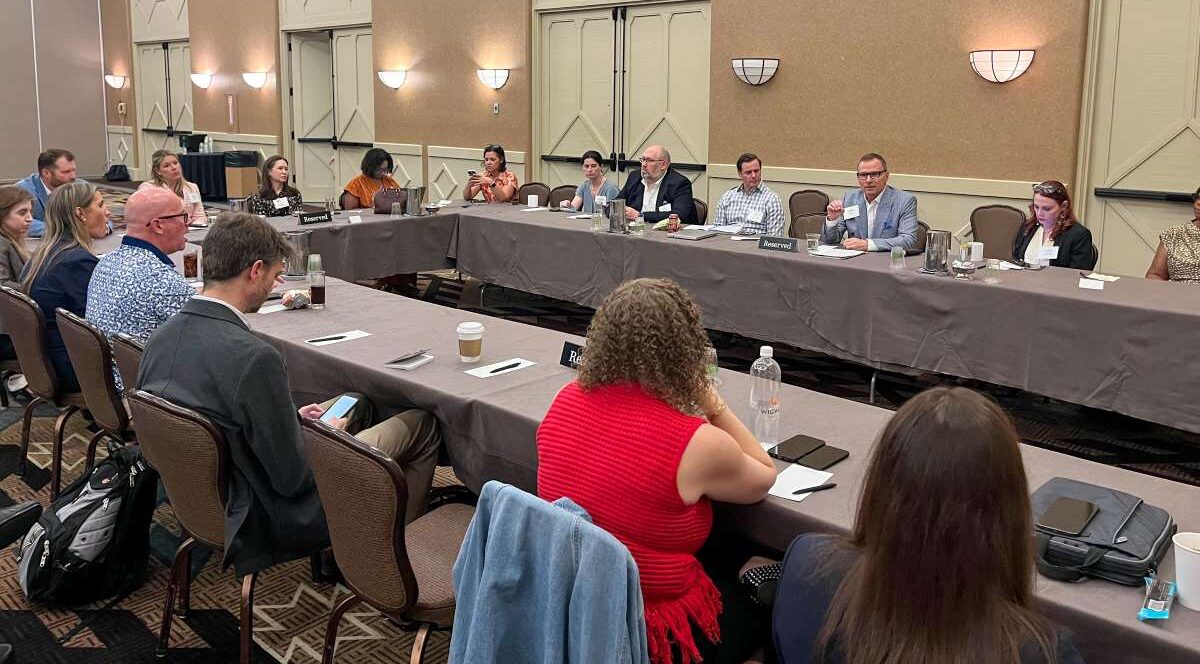
One of the most engaging sessions was TCDI’s roundtable, “From Hype to Practice: AI’s Real Impact on Litigation Teams,” hosted by our own Michael Gibeault. The table was full, with about 40 in-house participants representing a wide range of organizational sizes and levels of AI adoption.
People were genuinely open about how they’re using AI today, from contract drafting to litigation review workflows, and they were just as candid about governance concerns.
I thought it was especially interesting to hear how attendees are guiding and monitoring outside counsel’s use of AI tools, including what costs they are willing (or unwilling) to absorb. In one case, a member described getting hands-on and visiting their counsel’s offices to oversee the tools used to provide clearer descriptions on their invoices.

Another key theme that kept appearing was the evolving role of junior attorneys. Traditionally, early-career litigation work has centered on document review, summarization, and privilege logging, but AI is actively reshaping all of these areas. Rather than see this as a threat, many participants viewed it as an opportunity. By proactively developing fluency with AI tools, younger attorneys can differentiate themselves and become essential contributors to modern legal teams.
Measuring ROI and Taking Back Control of Litigation Processes
Another major discussion point was how organizations are measuring ROI for AI. Some companies reported clear, immediate returns tied to targeted workflow improvements. Others described a more gradual approach, prioritizing long-term efficiency gains and broader integration across departments. In those cases, legal teams noted increasing collaboration with IT, cybersecurity, and operations, connecting previously siloed functions into a more cohesive ecosystem.
The forum also highlighted a growing movement among in-house teams to reclaim control over litigation processes. By standardizing workflows and negotiating preferred rates, organizations are reducing dependency on outside firms and vendors while driving greater predictability and cost efficiency.
Beyond the Sessions
Finally, beyond the sessions themselves, the event created meaningful opportunities to connect, including a lively casino-themed evening featuring blackjack, roulette, and a craps table that drew plenty of excitement. It was a fitting backdrop for candid conversations and relaxed networking.
Overall, Consero created an environment where real conversations lead to real progress, with legal leaders moving beyond challenges to share what’s actually working and where they’re headed next. And somewhere between the sessions and the casino tables, it was clear that when teams align around process, data, and AI (technology), adoption stops feeling like a gamble and starts looking like a strategy.

Shane Zelm
Author
Share article:
Since 2008, Shane has supported clients in solving their eDiscovery challenges. During that time, he’s established defensible protocols for in-house legal departments, managed litigation response efforts, and coordinated with outside counsel to lead efficient eDiscovery processes.
Shane specializes in strategic litigation management by bringing together the right people and the right technology to drive early resolutions and inform risk mitigation.